

World Refugee Day: Hope Away From Home
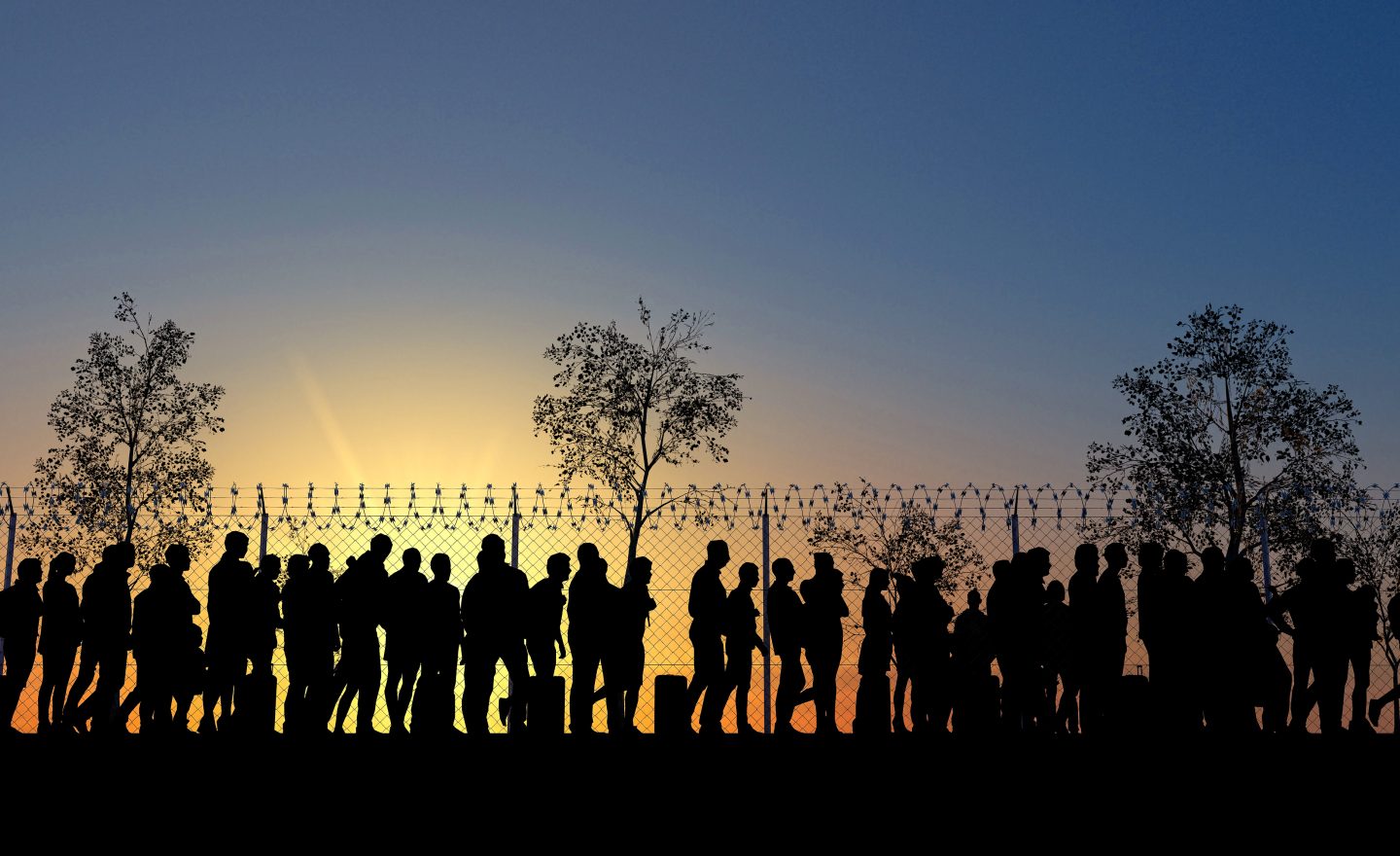

Today, June 20, marks World Refugee Day when we celebrate the resilience and courage of those people forced to flee their home due to persecution, conflict, climate change, and other catastrophic crises.
While both the U.S. and global mechanisms of refuge, migration, and asylum are badly broken for all in flight, LGBTQI+ refugees escaping homophobia and transphobia along with these other threats face especially grave dangers — not only in their home countries but from some transit countries, from fellow refugees, and from international refugee systems often unable and sometimes unwilling to address the particular risks facing LGBTQI+ refugees.
Globally, there are more than 108 million forcibly displaced persons, according to the UNHCR, the U.N. Refugee Agency. That’s up more than 250% in the last ten years. Put another way, if all those refugees made up a single country, that country would rank 13th in population in the world, coming in just after Mexico, Japan, and the Philippines.
We don’t have reliable figures for how many LGBTQI+ refugees there are, as U.S. and international refugee agencies do not have systems in place to consistently track this data. In some cases, that speaks to officials not taking seriously the specific dangers facing LGBTQI+ refugees; in other cases, well-intentioned, legitimate concerns about the safety facing LGBTQI+ refugees become the grounds for not taking any action at all.
But we do know, for example, that one organization alone, Rainbow Railroad, received nearly 10,000 inquiries in 2022 regarding possible emergency resettlement and related services for LGBTQI+ refugees. Since the beginning of 2023, Rainbow Railroad has received yet another 4100+ such inquiries.
We know that hundreds of LGBTQI+ individuals in the Kakuma refugee camp in northwestern Kenya live in fear of being attacked or even killed, with many of them having survived physical and sexual violence, according to a report last month from Amnesty International and the National Gay and Lesbian Human Rights Commission (NGLHRC) of Kenya.
As Irungu Houghton, Amnesty International Kenya’s Executive Director, explained, “Despite a constitution that protects life and dignity for all, LGBTI asylum seekers suffer discrimination as well as homophobic and transphobic attitudes from government officials, the police and other service providers. This is often reflected in delays to the processing of their asylum claims, harassment, violent homophobic attacks, threats, and intimidation, and extremely limited opportunities for local integration or third-country resettlement.”
Speaking to the Washington Blade last week, Kieynan Gant described how “We are often forced to hide our true selves and live in isolation, unable to express ourselves or form meaningful relationships. Some have even been forced into marriages with people of the opposite sex against their will. … Our efforts [to raise awareness of these issues and demand better treatment for LGBTQI+ refugees] have been met with resistance and hostility from some of the other refugees in the camp who view our sexuality as a threat to their cultural and religious values.”
In recent years, some of the LGBTQI+ refugees in Kenya originally fled from Uganda. The recent passage of Uganda’s horrific Anti-Homosexuality Act has generated a sharp surge in LGBTQI+ refugees fleeing their country, with Rainbow Railroad receiving nearly 500 requests for help from Ugandans even before President Museveni signed the bill into law late last month.
The queer refugee crisis is hardly limited to East Africa. We continue to see a steady stream of LGBTQI+ people fleeing Afghanistan, Ukraine, Syria, the Caribbean, and other regions torn by war, extremist regimes, and pervasive homophobia and transphobia. LGBTQI+ Ukrainians fleeing the Russian war have encountered discrimination and harassment upon arriving in Poland and other neighboring countries, with same-sex couples and transgender refugees facing especially heightened risk for hostile treatment.
Likewise, Rainbow Railroad, Amnesty International, and other CGE members receive regular requests for emergency resettlement from LGBTQI+ Afghans sheltering in Pakistan, where their experiences illustrate the homophobia and transphobia that so many queer refugees face in transit countries.
In today’s World Refugee Day statement from the White House, President Biden reiterated his Administration’s promise to rebuild the U.S. Refugee Admissions Program and to welcome 125,000 refugees next year. So far, however, the United States has only admitted just under 32,000 refugees this year, a pace well under the White House’s ambitious goals.
We call on Washington to follow in Ottawa’s lead and establish a direct referral program comparable to the landmark partnership just announced between Rainbow Railroad and the Canadian government. The United States needs to enable organizations like Rainbow Railroad that have full competency in LGBTQI+ refugee issues to refer such at-risk individuals for resettlement here.
We further applaud the U.S. government’s rollout of the Welcome Corps private sponsorship program, and we strongly encourage the various government agencies involved in resettlement work to ensure that at-risk LGBTQI+ refugees are indeed referred to approved private sponsorship organizations such as Rainbow Railroad.
This year’s theme for World Refugee Day is “Hope Away From Home: A World Where Refugees Are Always Included.” This must, of course, include all refugees, regardless of sexual orientation or gender identity. And we do see hope amidst this challenging work, as in the story of Ahmed, a bisexual refugee in Kenya. Ahmed, a bisexual refugee, has been working with ORAM — like Rainbow Railroad and Amnesty International, ORAM is a CGE member organization working to support LGBTQI+ refugees. After fleeing death threats in his native country and then experiencing discrimination in Jordan, his first transit country, Ahmed is now taking part in ORAM’s economic empowerment program in Kenya. With seed funding from ORAM, Ahmed launched a small business charging mobile devices, allowing him to get back on his feet and to support other LGBTQI+ refugees.
While U.S. and international refugee systems need comprehensive, LGBTQI+-inclusive reforms and funding, we do want to take a moment to celebrate Ahmed’s resilience and that of all queer refugees who have found safety and security, even as we work together to make sure that hope away from home is a reality, not just a dream, for so many more.