

Pride (In the Name of Human Rights and Democracy)
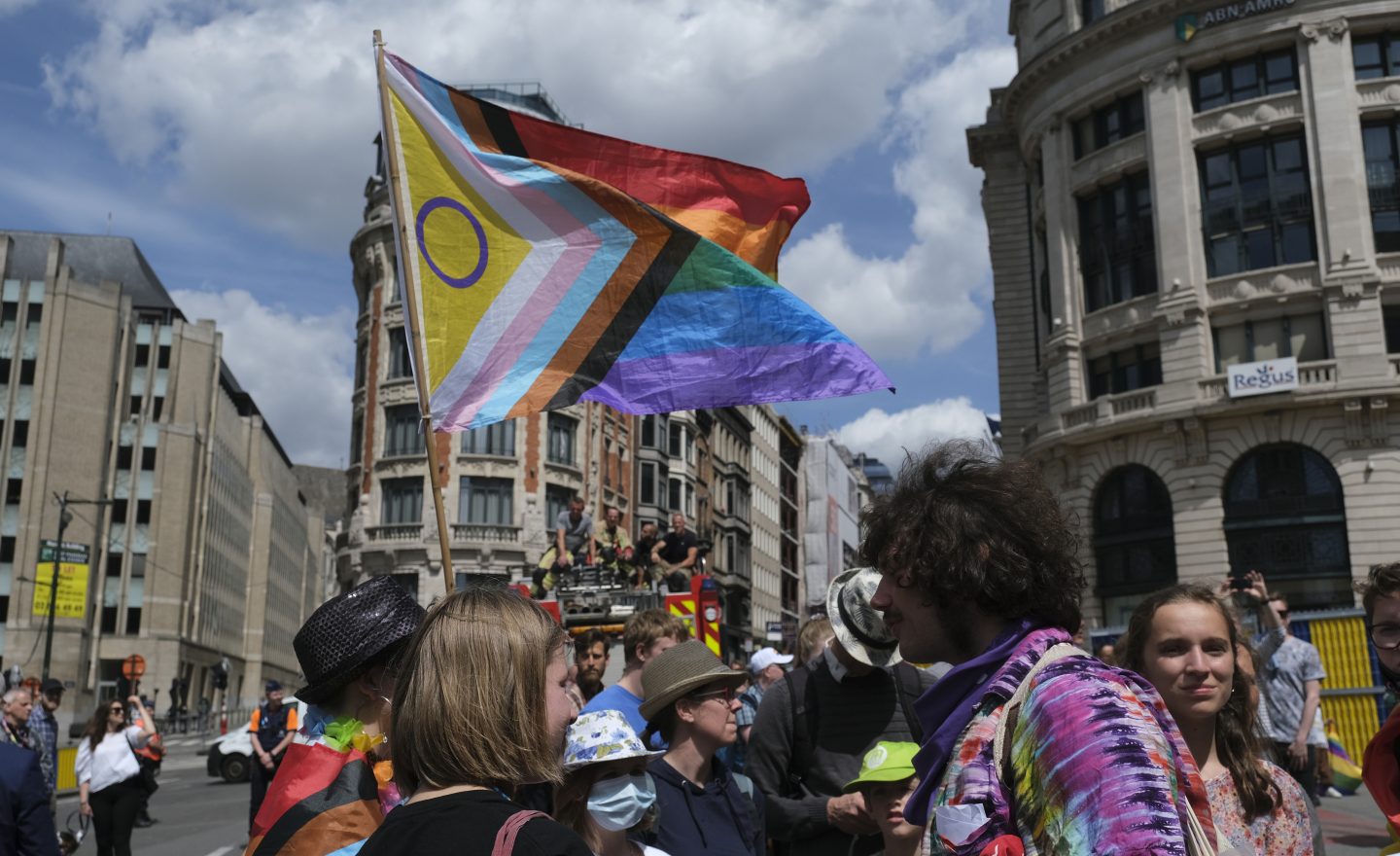
Pride celebrations offer countless benefits for LGBTQI+ individuals and communities as well as for society at large. These inclusive and vibrant events play a crucial role in promoting visibility, fostering acceptance, and advancing LGBTQI+ rights.
In particular, Pride marches, festivals, and other events catalyze social and political change, historically pivotal in advancing LGBTQI+ rights. They have been at the forefront of advocacy efforts, igniting essential conversations on legal reform, anti-discrimination laws, and equal rights. By mobilizing the community and its allies, Pride celebrations amplify voices, shed light on critical issues, and pressure governments and institutions to take action. They are potent tools for progress, paving the way toward a more inclusive society.
Indeed, in our ever-increasingly polarized world, Pride events are especially invaluable as joyous celebrations that allow people to feel both personally celebrated and united in community.
However, it is essential to acknowledge that despite festive Pride celebrations around the world, LGBTQI+ individuals everywhere continue to face isolation, rejection, and discrimination based on their sexual orientation, gender identity and expression, or sex characteristics in many countries, including here in the United States. These realities often create a hostile environment, foster significant resistance to building more inclusive societies, and can even lead to violence against Pride events. But the point of Pride is, quite literally, to march on in the face of these challenges.
In some countries, U.S. embassies provide a safe space for LGBTQI+ individuals to come together, engage with policymakers, and organize cultural events, including Pride celebrations.
The simple yet powerful act of flying the Rainbow or Progress flag at U.S. embassies to commemorate Pride Month sends a resounding message of solidarity with local LGBTQI+ communities.

In Kenya, LGBTQI+ activists have organized and participated in Pride events at the local U.S. embassy – some of the first in the country. Some of these events have represented important milestones in the community’s advancement, lending significant visibility to the community.
However, in some countries in the Middle East, a solidarity message in celebration of Pride from the U.S. embassy on social media has been met with hostile responses and backlash towards the community.
In the United States, there are growing debates among Republicans questioning the State Department’s efforts to advance global LGBTQI+ human rights. Some argue that the U.S. government should refrain from engaging in contentious cultural matters, including those related to LGBTQI+ issues. But human rights are universal; they are not historically or culturally dependent.
To be clear, Pride celebrations provide an opportunity for the U.S. government to demonstrate its commitment to human rights and equality for all. As a country that values individual freedoms and the principles of non-discrimination, the U.S. has a responsibility to stand up for LGBTQI+ rights worldwide. By endorsing and participating in Pride celebrations and, where appropriate, flying the Rainbow or Progress flag, the U.S. government sends a powerful message to other nations that it stands in solidarity with LGBTQI+ communities and advocates for their rights to be recognized and protected.
At its essence, Pride represents much more than the pursuit of LGBTQI+ equality. It embodies the fundamental principles of human rights and equality for all while acknowledging the historical injustices within our nation. U.S. Assistant Secretary of State Brian Nichols, in a compelling piece in The Nassau Guardian last year, eloquently expresses this sentiment by affirming that when U.S. embassies fly the rainbow flag it symbolizes not only Pride Month but also a collective recognition that human rights are universal. “The racist murder of Black Americans is as reprehensible as the bias-driven murders of LGBTQI+ individuals,” insists Ambassador Nichols. “In all such cases, they are hate crimes. This is why our U.S. embassies display this symbol proudly, to recognize universal, indivisible human rights.”
Additionally, Pride celebrations are no longer just local or national events. Instead, Pride celebrations align with the broader U.S. foreign policy objectives of promoting democracy, human rights, economic development, and social justice. By actively engaging with these celebrations, the U.S. government demonstrates its unwavering commitment to these values, bolstering its reputation as a defender of human rights and progressive ideals.
To ensure LGBTQI+ activists and civil society groups are better prepared to partner with U.S. embassies during Pride celebrations and beyond, the Council for Global Equality just released a new publication – Accessing U.S. Embassies a Guide for LGBTQI+ Human Rights Defenders.
At their most powerful, Pride celebrations can significantly impact public opinion and societal attitudes. By supporting these celebrations, the U.S. government contributes to the global shift towards greater LGBTQI+ acceptance and inclusivity. This support can inspire and empower activists in other countries, giving them the recognition and validation to continue their work for change. It can also challenge harmful narratives and stereotypes, fostering an environment of respect and understanding.
Despite the progress we have made on LGBTQI+ issues in the United States, it becomes evident that the importance of Pride remains as significant as ever. Declaring a national state of emergency for LGBTQ+ Americans, the Human Rights Campaign warns that, regrettably, our nation has experienced alarming regression rather than progress in recent years when it comes to LGBTQI+ issues. This underscores the ongoing need for our unwavering commitment to the fight for human dignity.
Pride celebrations also provide an opportunity for the U.S. government to address the challenges faced by LGBTQ+ individuals in other countries. By highlighting human rights abuses, discriminatory laws, and societal stigmatization, the U.S. can pressure governments to reform policies and protect the rights of LGBTQI+ individuals. Through public statements, diplomatic channels, and engagement with international organizations, the U.S. government can advocate for legal reforms, anti-discrimination measures, and the decriminalization of homosexuality.
Finally, In his poignant and compelling remarks for Budapest Pride this year, Ambassador David Pressman effectively underscores the continued relevance of Pride and its profound implications for the future of our democracy. The struggle for human dignity extends far beyond achieving individual accomplishments or reaching specific milestones. It is a continuous journey that demands our persistent efforts and unwavering vigilance. Just like democracy itself, the pursuit of human rights and equality is an ever-evolving process that requires us to remain resolute in our commitment to protect and advance the rights of all individuals, regardless of their sexual orientation or gender identity.