

The Perilous Impact of Democratic Backsliding on LGBTQI+ Communities
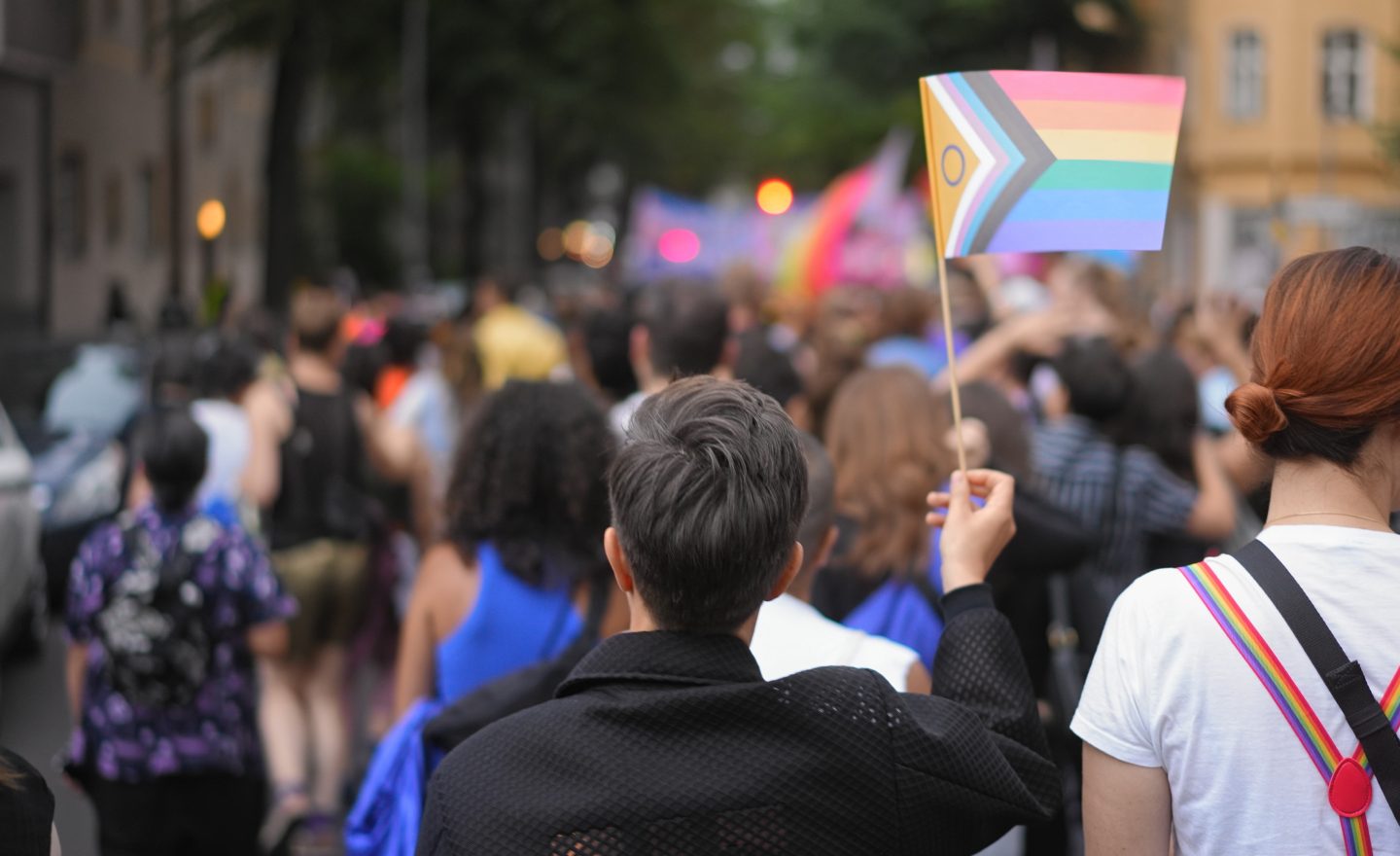
Democratic backsliding, the gradual erosion of democratic norms and institutions, poses a dire threat to the fabric of societies worldwide. Among the most vulnerable to this insidious process are minority groups, particularly LGBTQI+ communities. Authoritarian regimes, under the guise of protecting public decency and traditional family values, often deploy repressive laws and state-sanctioned violence to target and scapegoat these minorities. The ramifications are severe, leading to a systematic suppression of rights, an erosion of freedoms, and widespread human suffering.

One extreme example is the anti-gay purges in Chechnya, a republic within the Russian Federation. Reports of forced disappearances, secret abductions, imprisonment, torture, and extrajudicial killings targeting individuals based on their perceived sexual orientation, primarily gay men, reveal a chilling landscape of state-sanctioned terror. Even beyond Chechnya, Russia has leveraged the rhetoric of protecting the family and children to justify a series of draconian laws and violent actions against LGBTQI+ communities. This scapegoating not only legitimizes hate but also stifles the community’s ability to organize, express itself, and seek support.
President Vladimir Putin’s regime has written the “playbook” for instrumentalizing LGBTQI+ rights and repressing civil society generally for political gain. Beginning with passing foreign agent laws and anti-LGBT “propaganda” laws (a.k.a., “don’t say gay” laws), eliminating legal recognition of transgender people, all the way to labeling all LGBTQI+ activism “extremism” last year, Putin’s playbook has been copied and modified all over the world, including in the United States, by disingenuous political leaders using scare tactics for personal gain.
Yet the situation is no less dire in other regions experiencing democratic backsliding. In Burkina Faso, the military junta that seized power in 2022 has moved to outlaw homosexual relations as part of a broader overhaul of marriage laws. This pivot towards repression, influenced by a newfound alignment with Russia and a distancing away from its former colonial ruler, France, exemplifies how shifts in political power can rapidly translate into targeted oppression of vulnerable communities. Moreover, the regional contagion effect of such policies cannot be ignored. Neighboring countries often adopt similar stances, leading to a cascade of regressive legislation across a given region. The political usefulness of instrumentalizing homophobia and transphobia lies in its ability to unite disparate groups under a banner of “traditional values,” thus diverting attention from governance failures and economic woes. This tactic serves to consolidate power by creating scapegoats, thereby fortifying the regime’s hold on power amidst mounting domestic challenges.
According to a recent report by the Williams Institute at UCLA, democracy is increasingly under threat worldwide, with 80 percent of the global population now living in countries experiencing restrictions on freedoms. The report further highlights that “democratic backsliding has come in tandem with a rise in state-sanctioned rhetoric and policymaking that directly targets LGBTQI+ people.” These attacks on LGBTQI+ individuals and their rights often serve as precursors to democratic backsliding, contributing to the weakening of democratic norms and institutions. The increased persecution of minority groups, including LGBTQI+ individuals, is a clear indicator of this backsliding, as it evidences the erosion of liberal democratic principles that protect minority rights.
Limits on freedom of expression are among the most significant restraints on LGBTQI+ rights. In many countries, community organizing is banned, Pride events are raided, and participants are subjected to public violence. Laws prohibiting LGBTQI+ rights groups from registering as non-governmental organizations further stymie their ability to advocate for their rights and provide much-needed support services. This suppression not only silences the community but also exacerbates the marginalization and stigmatization they face daily.
The public health implications of such repression are profound. LGBTQI+ populations, especially men who have sex with men, are disproportionately burdened with serious illnesses such as HIV. Homophobic laws and the fear of being identified as LGBTQI+ prevent individuals from seeking medical attention, thereby perpetuating the spread of these diseases and undermining public health initiatives. This vicious cycle of stigma and silence not only endangers the lives of LGBTIQ+ individuals but also poses a broader threat to public health. According to a UNAIDS report, in 2019, the risk of acquiring HIV was 26 times higher among men who have sex with men (MSM) compared to the rest of the adult male population. Additionally, in countries that criminalize same-sex activity, MSM are between two and five times more likely to be living with HIV than in countries without such criminalization.
In the Democratic Republic of Congo, the recent appointment of Constant Mutamba as justice minister has heralded a new wave of persecution. Despite the absence of explicit anti-gay laws, Mutamba has ordered public prosecutors to target homosexuals, highlighting how legal ambiguity can be weaponized to fuel discrimination and violence.
Countries experiencing or on the brink of democratic backsliding must recognize the perilous consequences of their actions. Instead of targeting minorities and eroding freedoms, we must all take decisive steps to build and protect democratic institutions, including LGBTQI+ rights protections. The United States can play a crucial role in this process and should consider the following recommendations:
- Lead by Example and Strengthen Domestic Protections: The United States must solidify its position as a global champion of LGBTQI+ rights by further strengthening domestic protections. This includes passing comprehensive federal anti-discrimination legislation, ensuring protection for the trans community, providing access to healthcare and mental health services for LGBTQI+ individuals, and addressing other challenges impacting the community. By demonstrating a strong commitment to equality at home, the United States can enhance its moral authority on the international stage.
- Strengthen Democratic Institutions at Home and Abroad: Strengthening democratic institutions is good for LGBTQI+ rights as well as for all citizens. President Biden’s recent recommendations for Supreme Court reform, as well as eliminating gerrymandering, curbing money in politics, changing the filibuster rules, and perhaps even getting rid of the Electoral College and reforming the Senate are all institutional changes that could fundamentally strengthen democracy in our country. They would also set an example for other countries with weak or faltering institutions. And at the international level, efforts to reform and fully fund the
internationalmultilateral organizations that form the bedrock of international law and global cooperation are imperative to long-term peace and security — and ultimately to the health of all democracies around the world.
- Strengthen Global Human Rights Diplomacy: U.S. policymakers should prioritize the protection of LGBTQI+ rights as a cornerstone of its foreign policy agenda. This can be achieved by actively supporting international human rights organizations, funding LGBTQI+ advocacy groups, and applying diplomatic pressure on countries engaging in discriminatory practices. By leveraging economic and political influence, the U.S. can champion the rights of marginalized communities worldwide, setting a global standard for the protection of human rights. To accomplish these objectives, the State Department must fully fund the office of the Special Envoy for the Human Rights of LGBTQI+ Persons. Thankfully, for the first time in this Biden-Harris Administration, the State Department’s human rights work has permanent leadership following the August 1 confirmation of Daphne Rand as head of the Bureau of Democracy, Human Rights, and Labor. CGE welcomes Assistant Secretary Rand and pledges to work with her and the Special Envoy to advance a human rights agenda that advances the rights of LGBTQI+ and all other marginalized communities.
- Enhance Support for Democratic Institutions: To combat democratic backsliding, the United States must increase its support for democratic institutions and civil society organizations in vulnerable countries. This includes providing financial aid, technical assistance, and capacity-building programs aimed at strengthening judicial independence, free press, and electoral integrity. By fostering resilient democratic frameworks, the United States can help safeguard minority rights and prevent the erosion of freedoms that accompany authoritarianism.
- Ensure LGBTQI+ Civil Society Remains Robust, Bold, and Creative: LGBTQI+ civil society, in coordination with democracy and human rights organizations, are often the drivers of political and economic reform and serve as the overall watchdogs of democracy. They must be fully funded and formally empowered under local and national law. This must include the right to register as legal organizations and receive funding from abroad without running afoul of “foreign agent” laws that are enacted by authoritarian governments to restrain their critics. At the same time, civil society organizations, even when they receive government funding, must remain true to their mission and must act with boldness and creativity. This should include local and national political organizing, as we’ve seen in Hungary and Türkiye, to fight back against repressive national governments.
The global community must remain vigilant and vocal in pushing back against the erosion of democracy and condemning abuses and violence targeting LGBTQI+ communities. The struggle for LGBTQI+ rights is not merely a fight for equality; it is a fight for the very soul of democracy. As David Pressman, the U.S. Ambassador to Hungary, eloquently stated, “The struggle for human dignity is, like democracy itself, not a destination but a process.” Only through collective action and unwavering support for human rights can we counter the tide of authoritarianism and ensure a future where every individual, regardless of their identity, can live with dignity and freedom.